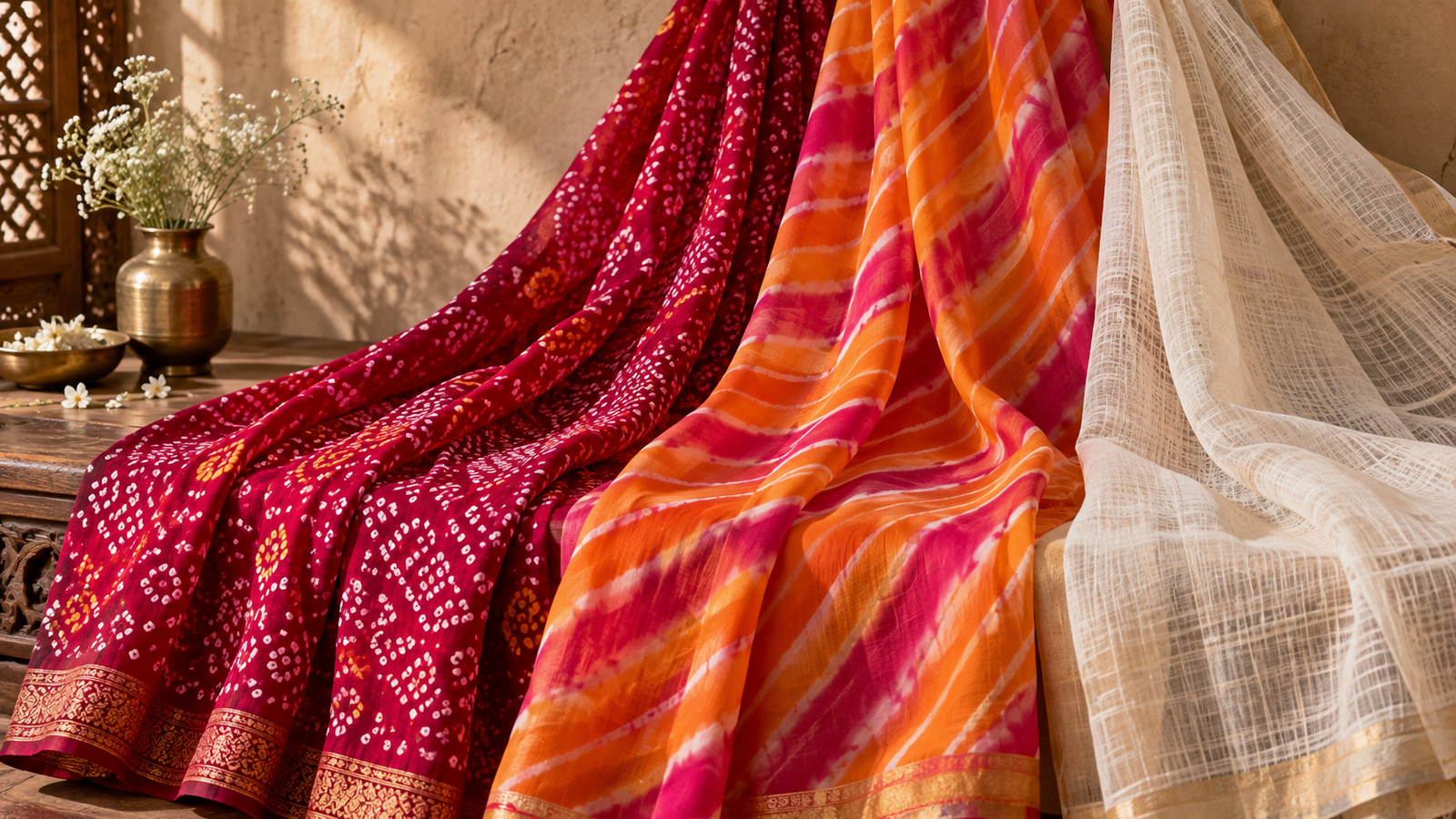
Rajasthani sarees speak through colour, movement and the patient touch of the maker. A field of tiny Bandhani dots, the diagonal rhythm of Leheriya or the airy checks of Kota Doria can each express a completely different mood. Understanding those differences makes it easier to choose a saree that suits the occasion, the season and your personal style.
This guide introduces three beloved textile traditions associated with Rajasthan. It focuses on how they look and feel, how to style them and what to notice while choosing a piece.
- Bandhani: intricate tie-dyed dots and motifs with a festive spirit.
- Leheriya: flowing diagonal or wave-like stripes full of movement.
- Kota Doria: a lightweight, translucent weave recognised by its fine square checks.
Bandhani: A Celebration Made From Tiny Knots
Bandhani is created by pinching very small sections of fabric and tying them tightly before dyeing. When the ties are opened, protected points remain undyed and form dots. Skilled planning turns those dots into circles, flowers, waves, grids and elaborate borders.
The charm of Bandhani lies in the relationship between precision and variation. From a distance, the design may look perfectly rhythmic. Up close, each tied point carries the slight individuality of handwork. Traditional palettes often include red, maroon, yellow, green and deep blue, while contemporary sarees may use softer pastels or unexpected colour combinations.
When to wear Bandhani
Bright Bandhani is a natural choice for weddings, festive gatherings, pujas and family celebrations. A lighter two-colour design can also work for daytime events or smart casual dressing. The density of the pattern matters: heavily patterned fields and ornate borders feel more ceremonial, while open layouts appear calmer.
How to style it
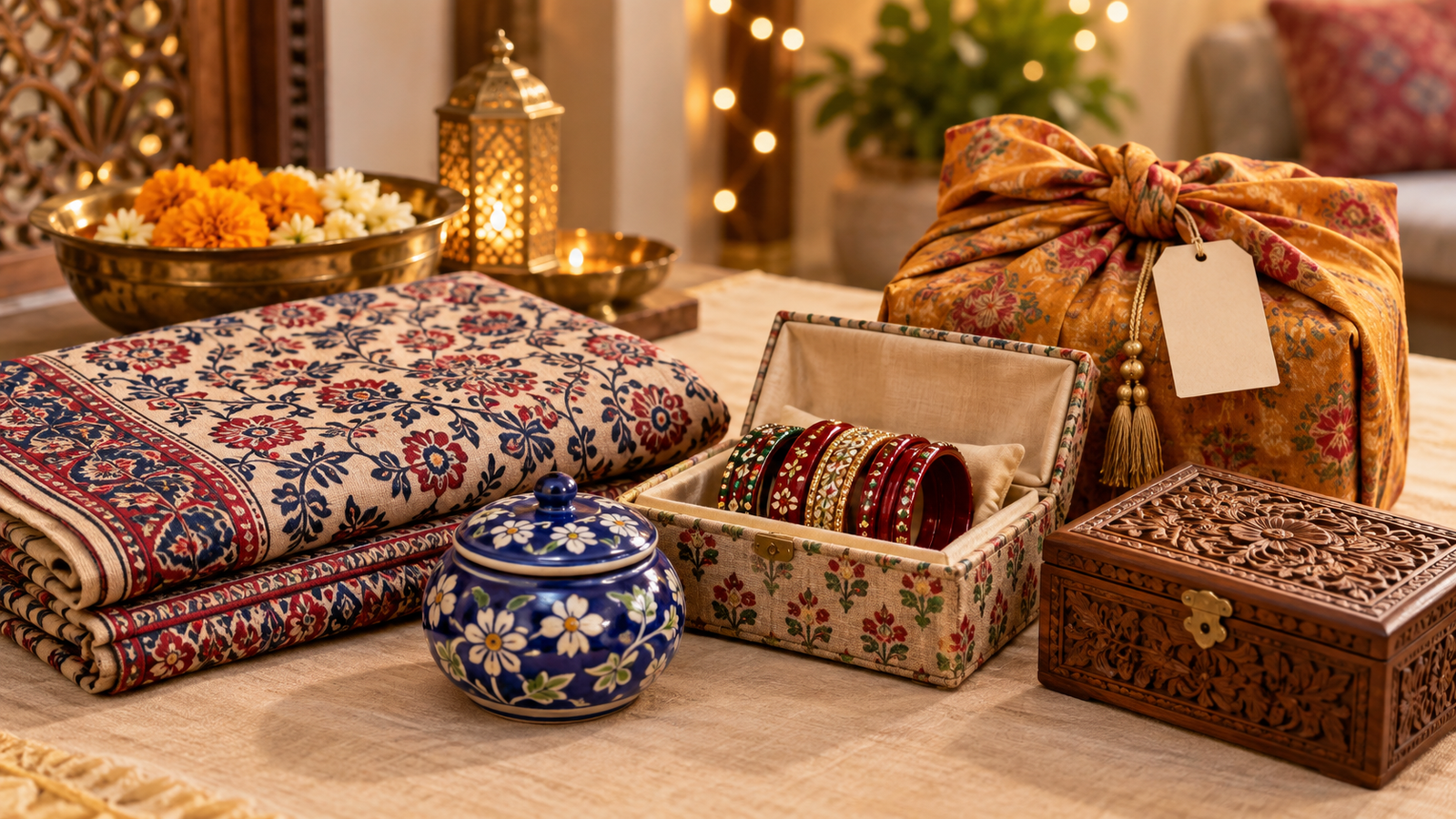
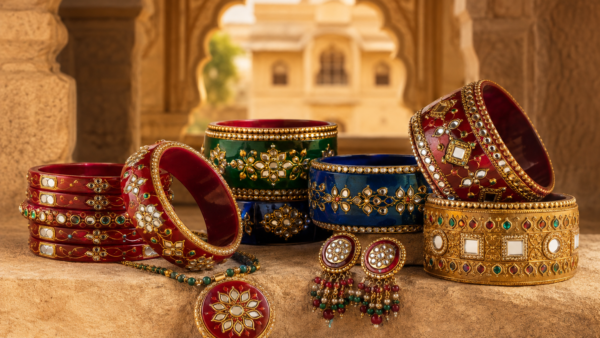
Let a detailed Bandhani saree lead the look. Choose a blouse in one solid colour from the saree or use a contrasting plain blouse for a younger feel. Lac bangles, silver jewellery or a restrained kundan-inspired set can complement it, but wearing every statement accessory together may overwhelm the fine dot work.
Leheriya: Colour in Motion
Leheriya takes its name from the visual impression of waves. The cloth is rolled and tied at intervals before dyeing, producing diagonal bands that seem to move across the fabric. Multiple dyeing stages can create more complex striped effects and lively intersections of colour.
Because the design travels across the saree rather than sitting as separate motifs, Leheriya feels energetic and fluid. Yellow, pink, orange, green and blue combinations are especially joyful, though elegant monochrome and dual-tone versions can be surprisingly versatile.
When to wear Leheriya
Leheriya is beautifully suited to daytime festivities, monsoon celebrations, traditional gatherings and occasions where you want colour without heavy ornamentation. A vibrant version can be styled for a festive evening, while a softer palette works well for brunches and summer functions.
How to style it
A sleeveless solid blouse gives Leheriya a clean contemporary line. A gota-edged or embroidered blouse makes it more festive. Pick one metal tone for jewellery and repeat it in the footwear or clutch. Since the stripes already create movement, a neat drape allows the pattern to remain the focus.
Kota Doria: Lightness Woven Into Checks
Kota Doria is known for its feather-light character and delicate square-check structure, often called khat. The weave gives the fabric an airy transparency and subtle texture. It can appear minimal in plain or lightly bordered forms, or richly decorative when enhanced with printed motifs, zari or detailed borders.
This combination of structure and softness is its special appeal. The saree can hold a graceful drape without looking visually heavy, making it a favourite for warm weather and long daytime occasions.
When to wear Kota Doria
Choose a simple Kota Doria for office gatherings, lunches and cultural events. Printed or zari-accented versions suit festive days and intimate celebrations. Its breathable feel makes it especially comfortable when the weather is warm.
How to style it
A well-fitted blouse provides balance to the saree’s airy body. Try a high-neck blouse for elegance, a printed blouse for a playful contrast or a blouse that repeats the border colour. Pearl, silver or delicate gold-toned jewellery keeps the look refined.
How to Choose Between the Three
Start with the occasion. For a joyful traditional statement, choose Bandhani. For youthful colour and movement, choose Leheriya. For understated elegance and warm-weather comfort, choose Kota Doria. Then consider your preferred visual scale: tiny dots create texture, diagonal stripes create energy and fine checks create quiet structure.
Also examine the complete saree rather than only a close-up. Notice how the pallu, border and main field work together. Check that the colour distribution will suit the drape style you prefer. Handcrafted textiles may show small variations in dots, lines or weave; these often reflect the making process rather than a flaw.
Blouse and Accessory Pairings
- For maximum versatility: select a plain blouse in the deepest colour of the saree.
- For contrast: use a colour opposite in mood, such as green with pink or indigo with mustard.
- For festive polish: add a narrow metallic edge, textured sleeves or subtle embroidery.
- For a modern look: keep the blouse clean and architectural, then wear one statement accessory.
Comfort should remain part of the decision. The best blouse is one that lets you move easily and keeps the saree secure through a long event.
Caring for a Handcrafted Saree
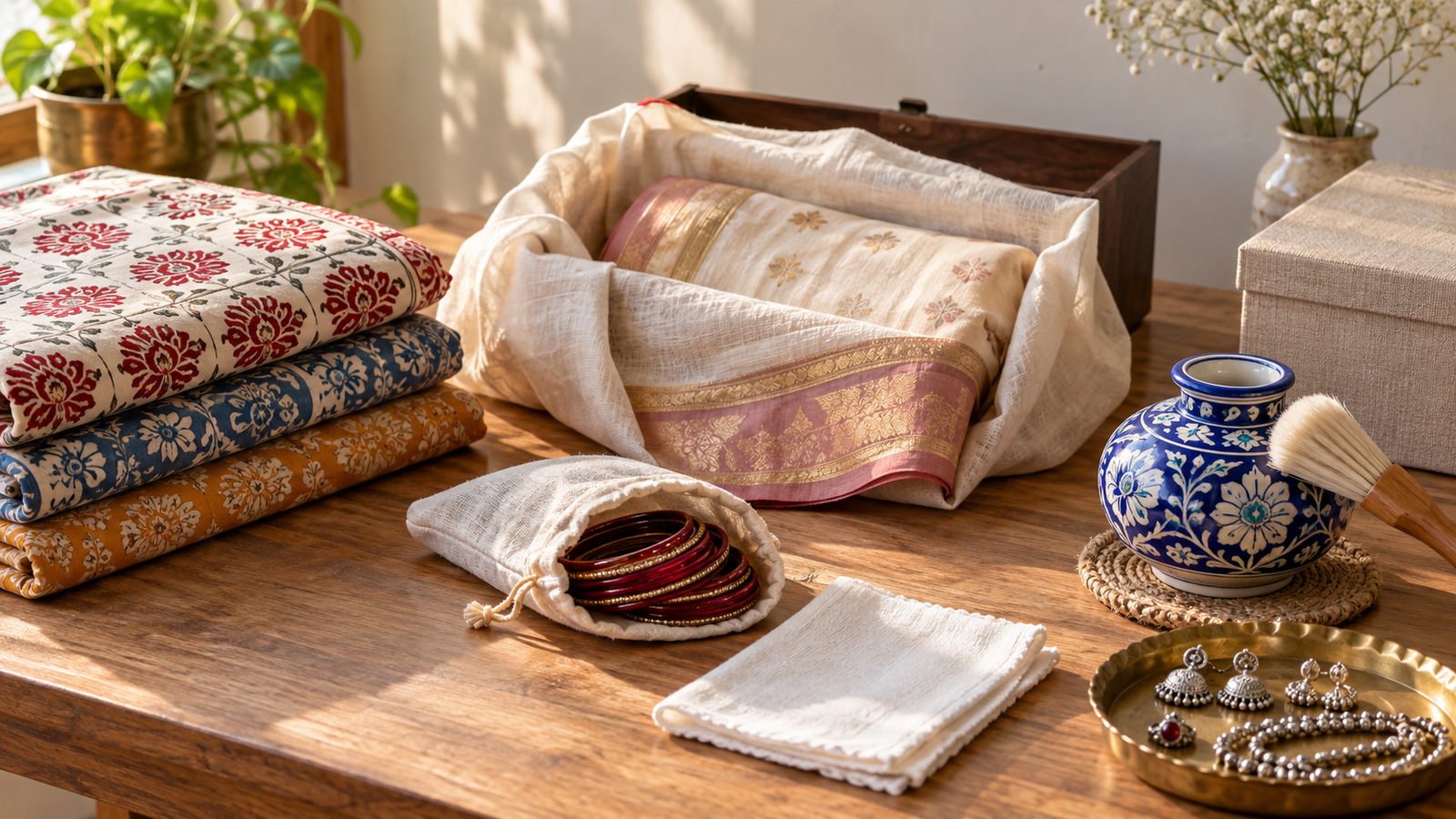
Always begin with the care label or instructions provided with the saree. Fine fabrics, zari and certain dyes may require professional dry cleaning. Store the saree clean and completely dry, folded in breathable cotton rather than sealed for long periods in plastic. Refold it occasionally so permanent creases do not settle in one place.
Keep perfumes and deodorants away from delicate surfaces, and avoid direct sunlight during long storage. If a Bandhani saree still carries raised tied points, do not press them aggressively; their texture is part of its handmade character.
Tradition That Adapts to You
Bandhani, Leheriya and Kota Doria are not interchangeable labels. Each has its own visual language and wearing experience. Yet all three can move easily between inherited styling and a modern wardrobe. Choose the craft that reflects your mood, style it with restraint and let the textile tell the story.
Leave a comment