
A useful guide to choosing wooden figures, boxes, textiles, jewellery and metal décor by recipient, space and occasion.
Choose for the recipient
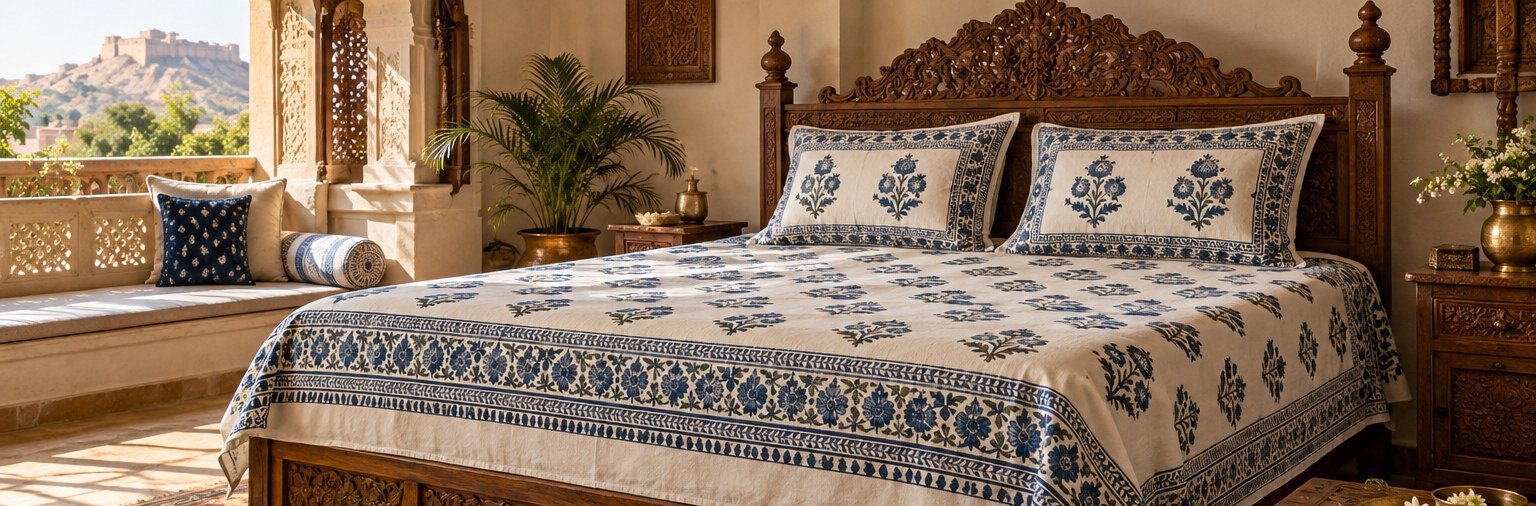
A successful gift reflects the recipient’s home and habits. A jewellery box suits someone who will use its compartments; musician figures suit a display collector; a dohar is practical for a household; a dupatta is personal and size-flexible. Begin with use, then select the Rajasthan-inspired craft story.
Match scale to space
Small boxes, bowls and 4- to 6-inch figures work well when you do not know the recipient’s room. Larger darban guards, wall décor and full bedding need measurements and stronger knowledge of taste. For a wedding or housewarming, one well-chosen piece is often more memorable than a crowded hamper.

Presentation without waste
Use a reusable textile pouch, sturdy box or simple paper wrapping with a fabric ribbon. Include product information and care instructions rather than excessive decoration. If the item is handmade or made on enquiry, allow time for confirmation and packing instead of promising an unrealistic dispatch date.
Confirm before gifting
Ask for current photographs, exact dimensions, materials, price, stock and delivery estimate. For textiles, confirm colour and care; for wood and metal, confirm finish; for jewellery, confirm composition and size. Transparent information protects both giver and recipient and makes a culturally inspired gift feel considered rather than generic.
A gift as a small cultural encounter
A craft-led gift can introduce the recipient to a material, motif or making tradition. The object may be modest—a printed pouch, carved box or small bowl—but it opens a larger story. That story is strongest when it is shared without exaggeration: what the object is, what inspired it, how it can be used and what remains unknown about its making.
Usefulness and memory
Useful gifts often become the most memorable because they enter repeated routines. A box opened each morning, a dohar used every summer or a bowl placed near the door gathers associations through time. Purely decorative objects can do the same when their scale and character fit the recipient’s space. Thoughtfulness is less about price than about imagining the object’s future life.
The beauty of a considered presentation
Presentation can extend the craft story without producing unnecessary waste. A reusable textile wrap, a handwritten note and concise care information are often enough. The pause created by unwrapping gives the recipient time to notice texture and detail. In that sense, presentation is not a disguise for the gift; it is the first chapter of paying attention to it.
A continuing story
Rajasthan’s craft traditions are best understood as living practices rather than a fixed collection of motifs. Makers, wearers and households continually decide what to preserve, what to adapt and how an object belongs in the present. Looking slowly—at material, process, use and change—creates a richer connection than treating culture as surface decoration.


Leave a comment